



Cross Selling vs Upselling: Definitions and Examples

If you're new in business, you may not even know what these strategies are. Although the concepts seem similar, there are many key differences between the two. It is not only about methodology. It’s also about your business goals and the right sales funnel stage.
Today, we are going to explain the definitions and show nuances through clear examples. This will help you understand the concepts and also decide which one (or both) you should add to your promotional strategy.

What Is Cross-Selling vs Upselling?
Let’s get started with both types of meaning.
What Is Cross-Selling?
Simply put, it’s a process of offering a service or a product to an existing audience.
Let’s imagine that you walk into a clothing store to buy a pair of jeans only. However, you end up leaving with a pair of jeans but also with a shirt, a belt, and even a jacket.
This was the result of a persuasive salesperson who advised complementary pieces. He told you that all these items make your outfit complete. His suggestions of additional purchases feel natural and appealing.
You can use the same concept and apply it to any business. Such an approach increases the value of each sale.
If you have multiple products or services, this technique allows you to introduce people to items they may not have considered but still find useful. When done effectively, it will not only boost your revenue by about 20% but also enhance the customer’s overall experience by providing more complete solutions.
What Is Upselling?
It's a situation when a business encourages people to choose an upgraded or higher-end version of a product they’re already planning to buy.
Let’s see how it works. You enter a phone store to buy a basic model. Here, the salesperson comes, asks what you need a gadget for, and advises a more advanced model. He explains that the alternative has better camera quality, longer battery life, and additional features. As a result, you decide to go with the upgraded option instead.
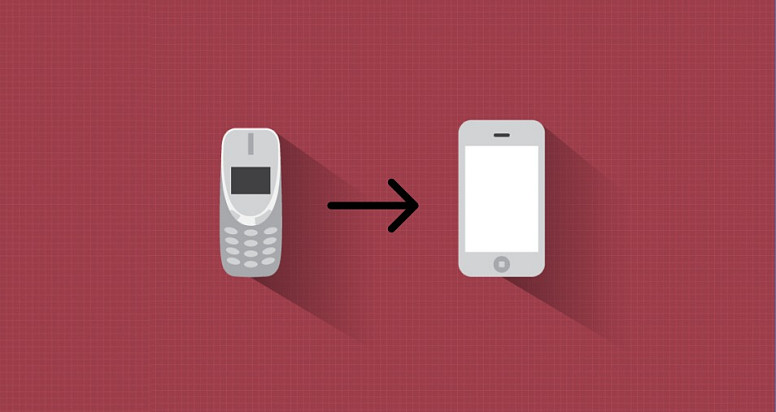
As you can easily understand, this approach is incredibly effective. The client in these circumstances has already made the decision to buy. The only thing left to do is to guide them toward a more valuable option. This strategy is easier and requires less effort than attracting an entirely new audience.
If you have a new business, this method may be a powerful step to boost revenue. And you don't even need to increase costs significantly.
While long-term success depends on both gaining new prospects and retaining existing ones, if you focus on maximizing revenue from each person early on, you will strengthen cash flow and support steady growth.
Flowlu provides the tools to plan each strategy and visual dashboards with insights to monitor how clients respond.
Cross-Selling vs Upselling: Key Differences
Some people consider these concepts interchangeable. It’s not quite correct, because there are many differences between them.
We’ll help you to catch the distinction quickly. Just associate the first with a complementary product and the second with an upgrade.
Look at the main differences:
C-S—cross-selling. U—upselling
The Goal
| C-S | U |
| Increase the number of items the client buys. | Raise the value of the initial purchase. |
Focus
| C-S | U |
| On additional products. | Only on just one product. |
Desired Buyer Action
| C-S | U |
| You want the buyer to purchase more items. | You want the buyer to buy an upgraded (premium, higher-version) of the product. |
Customer Benefit
| C-S | U |
| The original purchase will be improved through additional products. | A positive experience comes through benefits, features, and quality of a better product. |
Customer Research
| C-S | U |
| You need to understand both clients and their needs. | You need to learn how to pitch higher-priced items. |
Sales Approach
| C-S | U |
| Suggest relevant add-ons. | Encourage higher-tier options or upgrades. |
What to Use?
Now that you understand the differences, you need to figure out when it’s better to use one or the other.
You should use cross-selling when:
- You already engaged with the client and know their needs
- You have data about their interests, search and buying history
- The add-on products and complimentary of the primary purchase
- You can easily add more items without overwhelming the buyer.
You should use upselling when:
- The upgraded product has better features and brings additional value
- You believe that a higher-quality product will lead to many benefits
- This upgraded product fits buyers’s needs and wants
- There is a huge difference between the standard and the premium version of the product.
Cross-Selling vs Upselling Examples
Below, you’ll find some real cases for different industries:
#1. In Retail
C-S:
Client want to buy:
- A smartphone → Staff suggests a case, screen protector, or charger
- A suit → Recommending a tie, belt, or shoes
- A coffee machine → Suggesting coffee beans or cleaning tablets
U:
Someone picks:
- A basic TV → Salesperson recommends a larger 4K model
- Standard headphones → Suggesting a premium noise-cancelling version
- A basic blender → Offering a more powerful, feature-rich model
#2. Ecommerce
C-S:
- “Frequently bought together” bundles on product pages
- “A prospect also bought” recommendations
- Adding a laptop → Suggested mouse, laptop bag, or software
U:
- Showing a “Pro” or “Premium” version of the product
- Presenting a higher storage or better-spec model
- “Upgrade for +€50” prompts before checkout
#3. Subscriptions
C-S:
- Email marketing tool → Recommends CRM or automation add-ons
- Streaming service → Suggests add-on channels or bundles
- Fitness app → Provide nutrition or coaching programs
U:
- Free plan → Paid plan with more features
- Basic subscription → Premium tier with advanced analytics
- Monthly plan → Annual plan (often discounted overall but higher upfront value)
#4. Services
C-S:
- Web design project → Including SEO or content writing
- Marketing campaign → Adding social media management
- Consulting → Suggesting training sessions or audits
U:
- Basic package → Premium package with more deliverables
- Short-term project → Long-term retainer
- Standard service → Priority support or faster turnaround
Upselling vs Cross-Selling and Suggestive Selling
You’ve already known both types, but what about suggestive selling?
You can see it as guided recommendations.
This is a broader sales technique where you proactively recommend products based on people’s needs, behavior, or context.
It often includes both techniques but is more subtle and customer-focused.
What Is the Upselling vs Cross-Selling vs Suggestive Selling Difference?
With the first, you try to sell a higher version of the same product. With the second—complementary products of the original purchase.
With a suggestive approach, instead of pushing a product, you make helpful and personalized offer, always focusing on enhancing valuable experience.
You should use their preferences, context, and timing to guide decisions.
The main difference is that you’re giving advice, not making a sale.
Here are some expressions you might use:
- “Most people who buy this also love this option.”
- “If you’re traveling a lot, you might prefer this model.”
- “Would you like to make that a combo?”
- “This plan is popular with teams your size.”
How to Choose the Right Strategy for Your Customers
Choosing between two methods, or simply guiding prospects comes down to relevance, timing, and intent. The goal isn’t to sell more - it’s to help buyers make better decisions.
#1. Start with Customer Intent
Before you suggest anything, you need to figure out what buyers actually want.
You need to ask yourself:
- Are they solving a specific problem or just browsing?
- Are they price-sensitive or value-focused?
- Do they need simplicity or more advanced features?
Based on your answers to these questions, you need to match the strategy:
- A clear need and a budget constraint → you should avoid higher-priced options and just keep things simple.
- A clear need and a long-term use → you may consider adding an upgrade.
- If they’re already buying something → cross-relevant add-ons may be a good solution.
#2. Use Context to Guide Recommendations
Depending on where they are on their journey, the same person may answer differently.
Here are some examples:
- If he is in the early stage, still researching, you should make a soft upsell only.
- If he is already on the product page, you may try showing complementary products.
- If he is already in checkout, you may present small add-ons or upgrades.
#3. Align the Offer with Customer Value
At this stage, you should ask yourself, “What will make this experience more useful or complete?” instead of asking, “What can I sell more of?”.
Some good matches may be:
- Laptop → Add warranty or accessories (cross-sell)
- Growing business → Upgrade to scalable plan (upsell)
- First-time buyer → Keep it simple (no pressure).
#4. Avoid Pushy or Aggressive Tactics
According to some studies, when you promote using a pushy or aggressive tone, purchase intent can decrease by almost half.
You should avoid:
- Suggesting irrelevant upgrades
- Interrupting the buying process repeatedly
- Creating fake urgency (“last chance!” when it’s not true)
- Overloading with too many options
What you should do instead:
- Make one or two clear, relevant suggestions
- Use natural language, not pressure
- Let the client decline easily
- Focus on benefits, not price increases
#5. Use Suggestive (Not Forceful) Language
Words make a huge difference.
You should avoid pushy wording like:
- “You should upgrade to this.”
- “You need this add-on.”
Say instead:
- “You might find this useful if…”
- “Most people in your situation choose…”
- “If you plan to use this often, this option could be worth it.”
Benefits and Risks of Cross-Selling and Upselling
When done right, both strategies can significantly grow revenue and deepen relationships with buyers. But if handled poorly, they can hurt trust and drive customers away.
Here’s a balanced look at both sides— and how to get it right.
Benefits of Cross-Selling and Upselling
Increased Revenue
In the first case, you’ll see an increase in the value of each transaction, and in the second one, you’ll notice growth in the number of items purchased. Overall, you’ll get a higher average order value without needing additional clients.
Stronger Customer Loyalty
When you make relevant suggestions to your audience, they will see that you understand their needs.
Ultimately, with personalized suggestions, you’ll be delivering a better experience. When you present helpful add-ons, buyers will get more complete solutions.
People will be likely to return since they feel understood.
Improved Customer Satisfaction
When you use both methods thoughtfully, the buyers will get better outcomes, and their journey will feel more complete and useful.
Better Customer Lifetime Value
When you adopt both strategies, you’ll get more value per transaction, more repeat purchases, and stronger long-term relationships. Overall, you’ll earn more from each account over time.
Efficient Growth Strategy
The truth is that work with existing audiences is usually a lot easier than getting new ones. This leads to lower marketing costs and higher conversion rates.
5 Risks of Cross Selling and Upselling
1. Damaging Trust
When you make excessive or irrelevant suggestions, people may feel you’re trying to manipulate them.
As you can easily understand, they may feel pressured, and trust will drop quickly. It’s important to keep in mind that once trust is lost, it’s very hard to recover.
2. Reduced Customer Satisfaction
Poor recommendations lead to confusion, decision fatigue, and even regret after purchase.
3. Higher Returns
When someone is pushed into the wrong product, they may return items, cancel subscriptions, or avoid buying again.
4. Overcomplicating the Buying Process
If you make a buying process that has too many options or interruptions, this may slow down decisions, and the cart abandonment rate may increase.
5. Brand Perception Risks
If you use aggressive tactics, your brand may start being looked at as salesy, transactional, and untrustworthy.
Common Mistakes and How to Avoid Them
Suggesting Irrelevant Products
You should avoid recommending products that don’t match specific needs. Instead, use data and context to ensure relevance.
Pushing Too Hard
You should avoid overusing pressure tactics, urgency, or pop-ups. Instead, it’s far better to limit suggestions and keep them optional.
Giving Too many Choices
When you do this, your clients may feel lost or overwhelmed with so many options.
Stick to 1–3 high-quality recommendations.
Ignoring Customer Intent
If the person is in a hurry or if he is price sensitive—these are signs to avoid higher-value options. You need to match the strategy that you use to the current situation.
Focusing Only on Revenue
Instead of prioritizing short-term gains over long-term relationships, you should optimize value and satisfaction, not just sales.
Poor Timing
When someone is in the buying flow, you should avoid interrupting them. It’s always preferable to place your offering where they feel natural, like on checkout or on the product page, for example.
Turn Strategy into Revenue
These are two of the most effective ways to grow revenue. Although, their real power lies in how they improve the client experience, not just the transaction value.
Cross-selling helps complete action with relevant add-ons, while upselling ensures people get the best version of a product for their needs.
When used together, they can increase order value, strengthen relationships, and boost long-term loyalty.
However, success depends on relevance, timing, and intent. Poorly executed offers can feel pushy and damage trust, while thoughtful, well-timed suggestions feel helpful and build confidence in your brand.
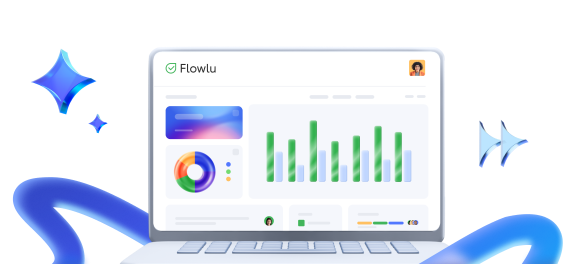
Whatever variant you choose, you need to plan it properly. With the right tools, like Flowlu, you can manage all sales campaigns, estimate their success, and offer the best solutions.
For example, to create a profitable strategy, you may set up a customized pipeline. As cross-selling and upselling lie in the later stages of the sales funnel—before consideration and after retention—with the Flowlu widget, you may track the number of such opportunities, potential revenue, and stage duration.
Use clear data and smart automation to build strong strategies and boost company revenue.
If you offer something unique or more advanced options → use upsell.
If the service is complementary, not a replacement → it would be better to use cross-sell instead.
Keep in mind that you need to offer value first and only then cross-sell or upsell.
Only after you gain loyalty and trust can you suggest something on higher prices. Here are some indicators for stepping up to a new level:
- People are actively using your product
- They hit the limit (tried all the functionality)
- They see ROI
- They want advanced features
After fulfilling these, you can consider new strategies.
Yes, absolutely. This is why it is important that you understand your customer’s needs, the timing, and context of their decision.
It’s incredibly easy to measure the effects of both strategies. You may use indicators such as revenue per client, revenue per transaction, and returning customer rate, among others.